
Rooms That Reflect Your Updated Style
Interior Painting in Tiffin for individual rooms, full homes, or spaces with outdated colors
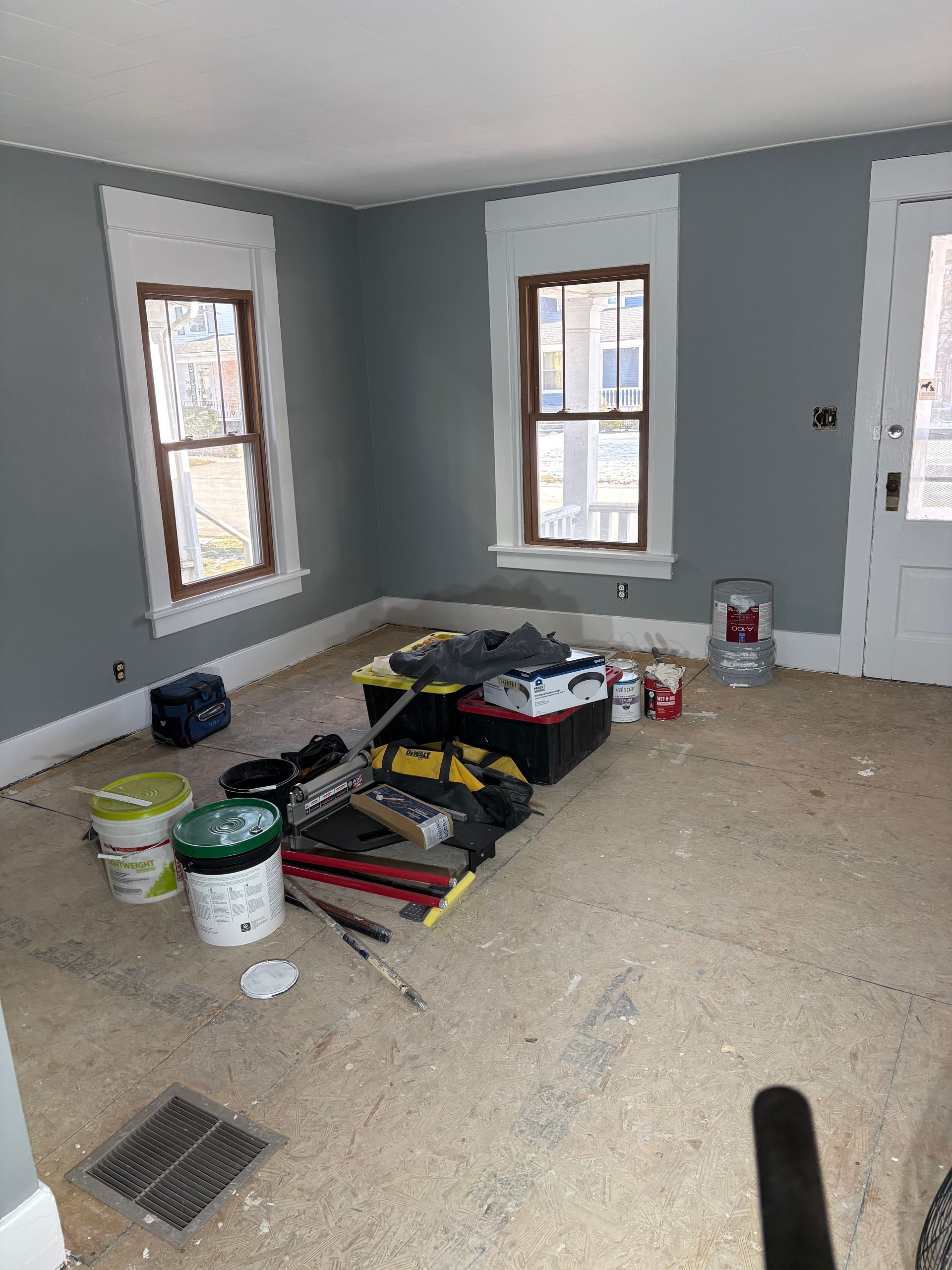
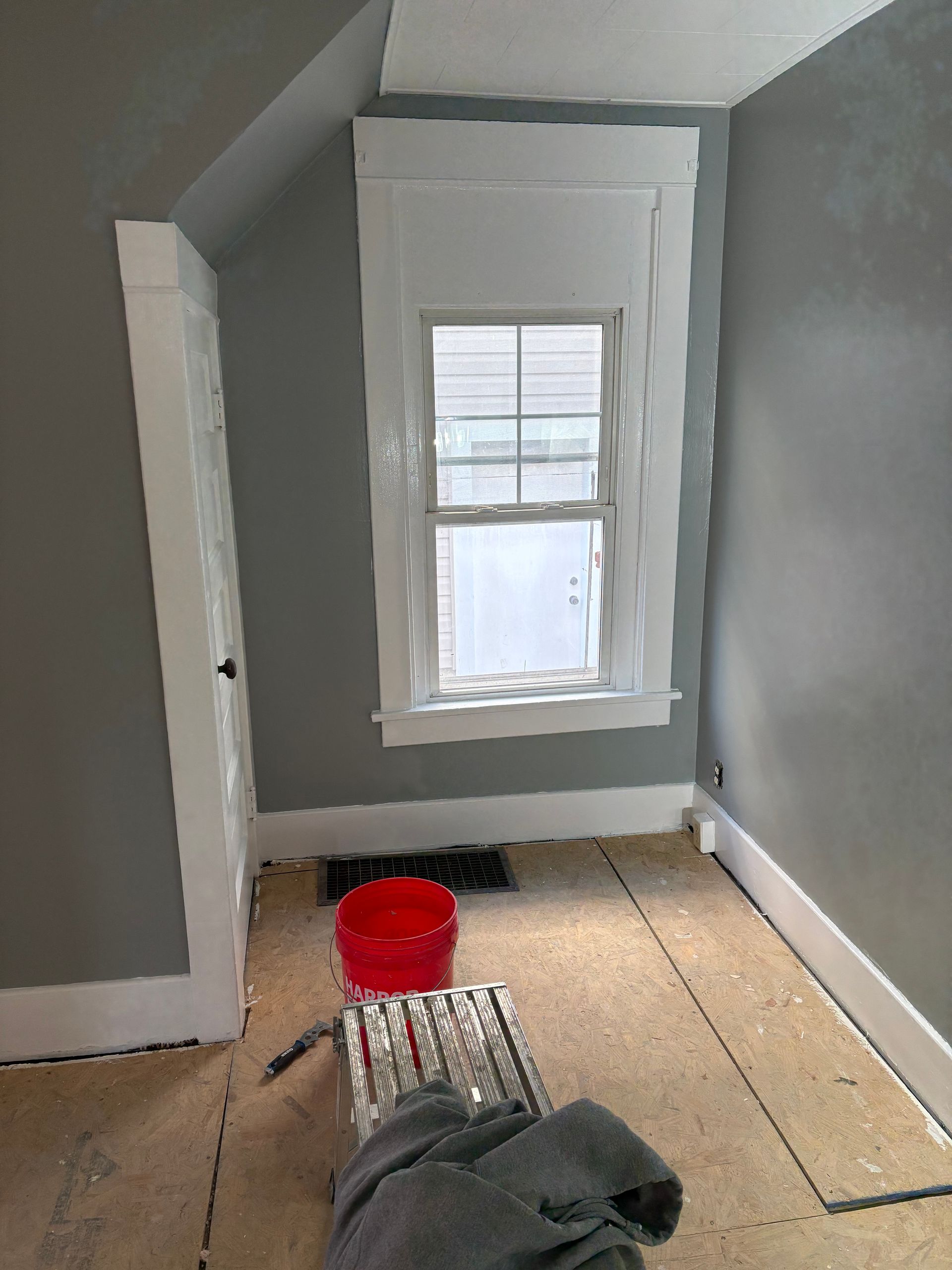
Paint color and sheen change how rooms feel in terms of brightness, perceived size, and style cohesion across your home. Proper surface preparation and application technique determine whether the new finish looks smooth under natural light or shows brush marks, roller stipple, and uneven coverage that becomes more obvious as the paint cures. Joseph's Renovation Services handles interior painting for individual rooms, entire homes, ceilings, trim, and accent walls with preparation steps that address existing surface conditions before any new paint is applied.
The process includes filling nail holes and cracks, sanding rough spots, cleaning surfaces to remove dust and grease that prevent adhesion, and priming stained areas or color changes that would otherwise bleed through topcoats. Trim gets caulked where gaps appear at joints or along walls, and floors and furniture receive protection with drop cloths and plastic sheeting secured at edges to prevent paint migration.
Schedule a consultation to review color options and receive a detailed painting estimate for your project.
What Changes After Professional Application
Application involves cutting in edges along ceilings, trim, and corners with a brush before rolling the main wall or ceiling areas, maintaining a wet edge to prevent lap marks where sections overlap. Multiple thin coats provide better coverage and durability than single heavy applications that drip, sag, or take days to fully cure.
When the work finishes, walls show even color without streaks or thin spots where the old color shows through, and trim displays clean lines without paint bleeding onto adjacent surfaces. Ceilings appear uniform without roller marks or texture variations, and there's no paint spatter on floors, hardware, or glass.
Sheen selection affects both appearance and durability—flat finishes hide surface imperfections but mark easily and are harder to clean, while satin and semi-gloss sheens wipe clean more readily but show drywall flaws more prominently. Trim and doors typically receive higher gloss than walls for added protection in high-contact areas.
Questions Before Starting Your Project
Interior painting decisions involve color selection, surface preparation requirements, and understanding how different finishes perform in various rooms.
What preparation steps prevent paint from peeling later?
Washing walls to remove cooking grease or smoke residue, sanding glossy surfaces to create tooth for the new paint, and priming stains or bare drywall all ensure proper adhesion that lasts years rather than months.
How does paint sheen affect room appearance in Tiffin homes?
Flat paint minimizes the appearance of wall imperfections but shows scuffs easily, while eggshell and satin finishes balance durability with a subtle sheen that works well in living spaces with moderate traffic.
What indicates that primer is needed before topcoats?
Dark colors being covered with light paint, water stains on ceilings, bare drywall or wood, and glossy surfaces all require primer to prevent the old surface from affecting how the topcoat looks or adheres.
When should trim be painted separately from walls?
Using different sheens—typically semi-gloss on trim and flat or eggshell on walls—requires cutting clean lines between surfaces, which is easier when trim color contrasts with wall color.
What drying time is needed between coats?
Most latex paints dry to the touch in an hour but need two to four hours before recoating, and full cure takes up to 30 days, during which the film remains more susceptible to damage from cleaning or contact.
Joseph's Renovation Services approaches interior painting with attention to the preparation and application details that produce long-lasting, professional results. Request a free estimate to discuss refreshing your living spaces with updated colors and finishes.